Steven
Introduction
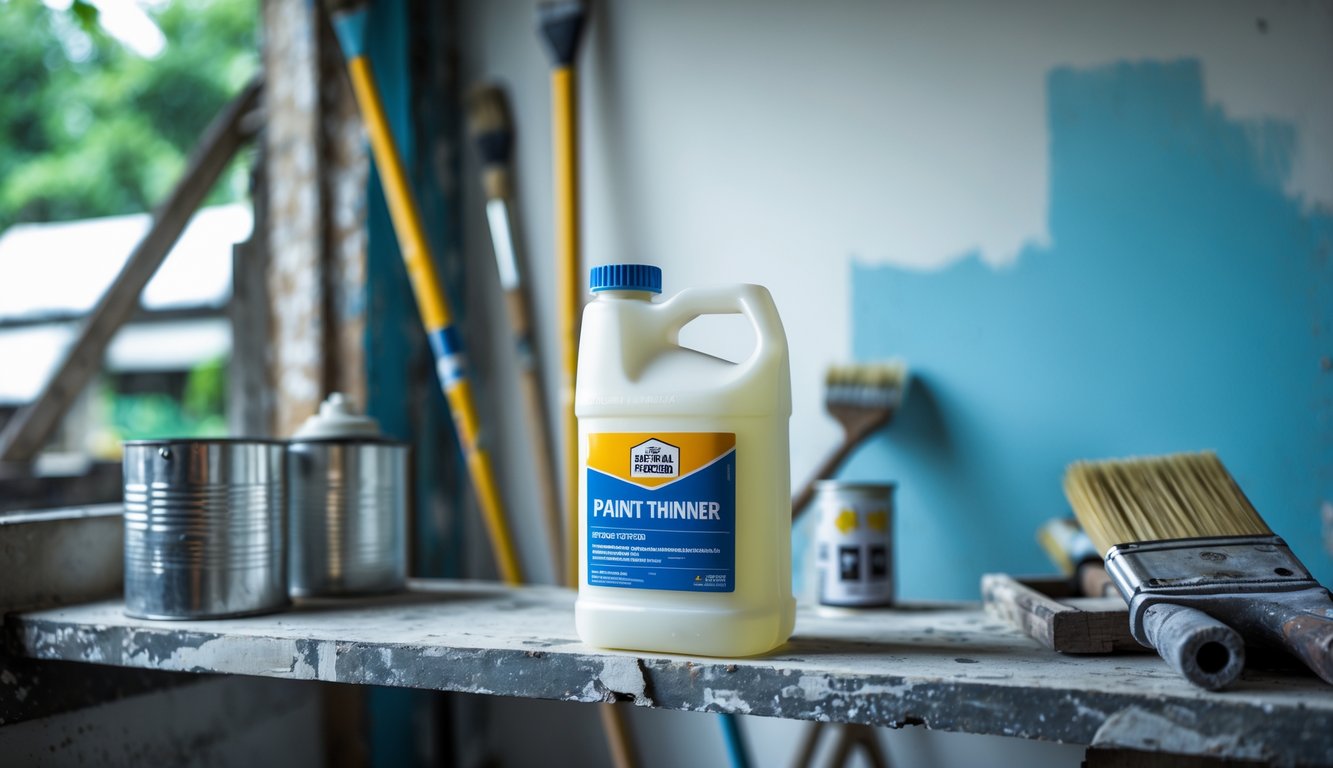
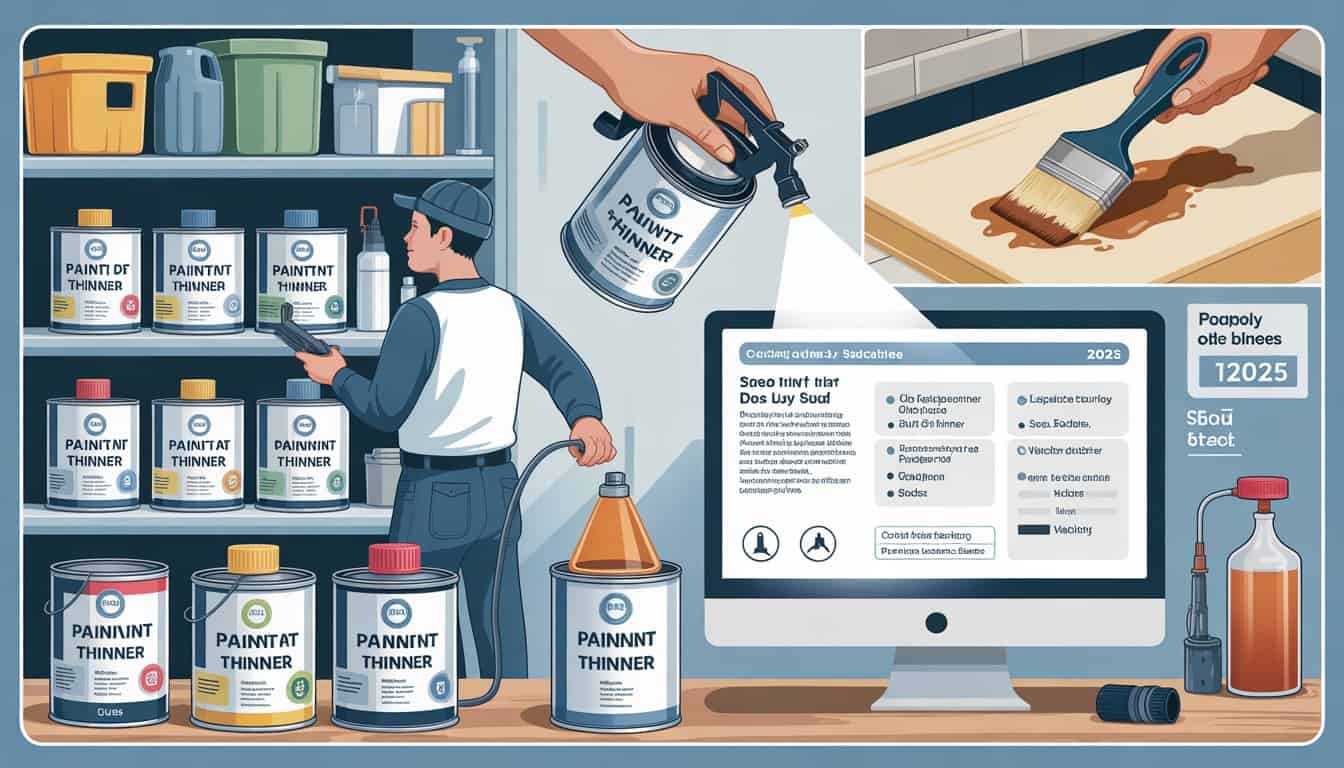
Across homes and job sites in Malaysia, paint thinner sits quietly on the shelf but does a lot of heavy lifting. Whether it is ensuring a smooth spray finish, reviving a clogged brush, or removing stubborn tar, the solvent chosen makes a big difference to results and safety. In 2025, with more low-VOC options and clearer safety data sheets (SDS), users have better guidance than before—especially when they take a few minutes on a desktop to compare specs and ventilation needs. This case study-style guide walks through what a paint thinner is, the common options seen locally, where each shines, and the right precautions. If someone is just getting started and wants a single place to explore the basics and benefits, they can also refer to thinner for paint as a simple starting point in their research.
What is Paint Thinner?
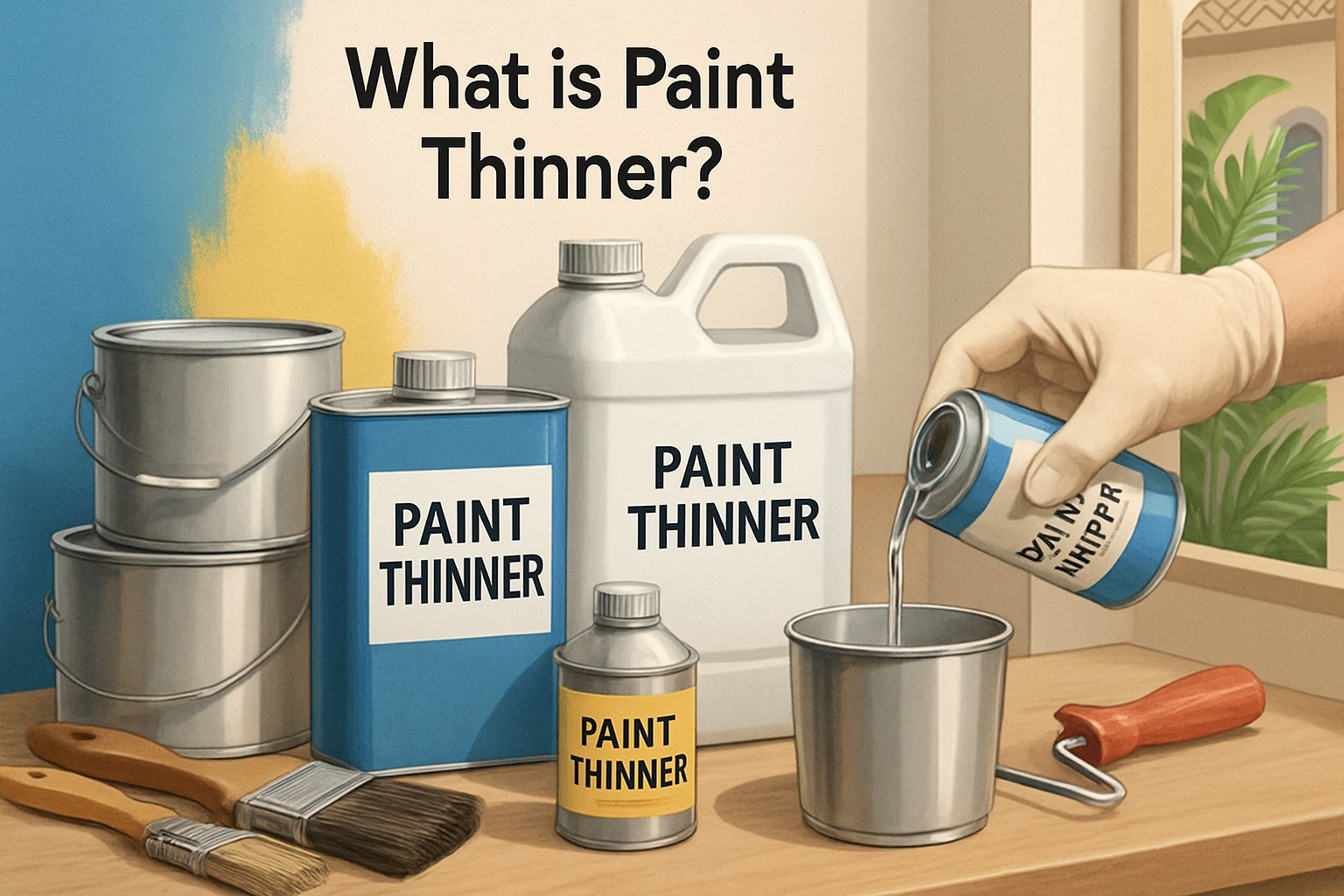
Understanding paint thinner begins with recognizing its role in various painting tasks across Malaysia. These solvents are essential for adjusting paint consistency, cleaning tools, and even preparing surfaces, making them indispensable for both DIY enthusiasts and professionals. With a focus on compatibility and safety, selecting the right thinner ensures optimal results while minimizing health risks. This section explores the definition, purpose, and key ingredients to provide a solid foundation for using these products effectively.
Definition and Purpose
Paint thinner refers to a liquid solvent used to dilute paint to the desired consistency, improve flow and leveling, and clean application tools after use. Professional painters rely on it to optimize spray atomization and reduce orange peel in finishes. In maintenance work, it helps dissolve tar, grease, and adhesive residues that ordinary detergents cannot lift effectively.
Beyond thinning, a good solvent ensures the coating cures correctly rather than skinning or sagging. It can also aid in surface prep by removing waxy contaminants before painting. When used correctly, the benefits show up as fewer defects, better adhesion, and longer-lasting finishes.
In the context of Malaysian projects, where high humidity can affect drying times, choosing the appropriate thinner helps achieve professional-grade outcomes. For instance, it prevents issues like bubbling or uneven coverage, which are common in tropical climates. Overall, understanding its purpose empowers users to tackle a wide range of painting challenges with confidence.
Key Ingredients and Composition
Most thinners are blends of hydrocarbons (aliphatic or aromatic), ketones, esters, alcohols, or glycol ethers. Mineral spirits are largely aliphatic hydrocarbons, while xylene and toluene are aromatic. Acetone and methyl ethyl ketone are ketones prized for fast evaporation, and lacquer thinners often combine ketones, esters, and aromatic solvents to dissolve robust resins.
Some products include retarding agents to slow drying, improving leveling in hot weather—useful in Malaysian climates. Labels and SDS documents list components and flash points; reading these on a desktop gives a clearer picture of safe handling compared with a quick glance on mobile.
The composition directly influences the thinner’s effectiveness and safety profile, so matching it to the paint type is crucial. For example, eco-friendly blends might incorporate bio-based elements to reduce environmental impact. By reviewing these details, users can make informed choices that enhance both performance and sustainability in their painting endeavors.
Types of Paint Thinners
Navigating the variety of paint thinners available in Malaysia requires knowing how they align with different paint chemistries. From traditional oil-based options to modern eco-friendly alternatives, each type offers unique advantages in terms of performance and environmental impact. This diversity allows users to select products that not only meet their project needs but also prioritize health and safety. Below, we delve into the key distinctions to help you choose wisely for your next painting task.
Oil-Based vs. Water-Based Thinners
Oil-based paints pair with mineral spirits, turpentine, or stronger aromatics like xylene when heavy-duty cleaning is needed. These solvents cut through oily binders and help brushes release pigment and resin. They also influence open time and gloss, so the ratio and solvent strength determine how the paint levels out or dries.
Water-based systems do not use traditional “thinner” in the same sense. They primarily use clean water with a small percentage of compatible co-solvents to improve flow, and specialty cleaners for tools. Using an oil-based thinner on water-based paint will not work and can ruin the coating’s stability.
For hybrid and 2K systems, always check the manufacturer’s specified reducer. Incompatibility can cause gelling, poor adhesion, or hazy finishes—issues that waste time and money. In Malaysia’s humid environment, opting for the correct type prevents common pitfalls like extended drying times or compromised durability.
Environmentally Friendly Alternatives
Low-odor mineral spirits, low-VOC reducers, and bio-based solvents (like citrus-derived d-limonene blends) have gained traction in Malaysia. They reduce strong smells and some health risks while remaining effective for cleaning and light thinning. However, “eco” does not mean risk-free; ventilation and PPE still matter.
For water-based paints, many households stick to water and mild, purpose-made brush cleaners, cutting solvent exposure dramatically. Specialty emulsifiable solvents can also be rinsed with water afterward, making cleanup less messy. As always, test on a small patch first to ensure no residue or compatibility issues.
These alternatives align with growing sustainability trends, helping users minimize their ecological footprint without sacrificing quality. In urban areas like Kuala Lumpur, where air quality is a concern, switching to low-VOC options can contribute to healthier indoor environments. Embracing these choices promotes responsible painting practices for the long term.
Common Paint Thinners
In Malaysian hardware stores, a range of paint thinners caters to diverse needs, from everyday DIY projects to specialized industrial applications. Understanding their properties, such as evaporation rates and odor levels, helps in selecting the most suitable option for your task. This overview provides practical insights into popular choices, including their typical uses and price ranges for 2025. By comparing these, you can optimize both cost and performance while ensuring safe handling.
| Thinner | Works With | Evaporation | Odor | Typical Use | Est. Price (RM/L) |
|---|---|---|---|---|---|
| Mineral Spirits | Oil-based paints | Moderate | Low–moderate | Thinning, cleaning brushes | RM12–RM25 |
| Turpentine | Oil-based, artist oils | Moderate | Strong | Traditional thinning, fine art | RM20–RM40 |
| Acetone | Nail polish, resin cleanup | Fast | Sharp | Degreasing, spot cleaning | RM10–RM20 |
| Lacquer Thinner | Lacquers, high-gloss | Fast | Strong | Spray finishing, hard cleanup | RM18–RM35 |
| Methylated Spirits | Shellac, alcohol-based | Fast | Moderate | Shellac thinner, glass cleaning | RM8–RM18 |
| Xylene | Industrial coatings | Moderate | Strong | Heavy-duty thinning/cleaning | RM20–RM40 |
These thinners vary in strength and application, making it essential to match them to your specific project requirements. For instance, while mineral spirits offer versatility for general use, stronger options like xylene are reserved for tougher jobs. Considering factors like local availability and budget can further guide your selection process.
Mineral Spirits: Versatile and Low-Odor
Mineral spirits are the everyday choice for oil-based paints because they balance solvency with manageable odor and evaporation. They thin enamels without flashing off too fast, giving time for leveling. For tools, soaking and then combing bristles brings brushes back to life without the harshness of stronger aromatics.
Low-odor variants are refined to remove more aromatics, making them easier to use in semi-enclosed spaces. Even then, ventilation is non-negotiable to avoid headaches or dizziness. Disposal should follow local guidelines rather than pouring into drains.
In Malaysia, where indoor painting is common due to frequent renovations, mineral spirits provide a reliable option that minimizes disruption. Their affordability and wide availability make them a staple in many households. Users often find that proper storage extends their usability, reducing waste over time.
Turpentine: Natural but Strong-Smelling
Distilled from pine resin, turpentine has a long history in fine art and traditional painting. Its solvency suits artist oil paints and some varnishes, but the odor can be intense—use it where cross-breezes or exhaust fans are available. Some users appreciate its “bite” for cleaning hardened residues that mineral spirits struggle with.
Because it is natural, people sometimes assume it is gentler. In reality, skin irritation and respiratory discomfort are possible, so gloves and masks still apply. Store it in metal or compatible plastic containers away from heat sources.
Artists in Malaysia particularly value turpentine for its compatibility with high-quality oils, enhancing the vibrancy of their work. However, transitioning to low-odor alternatives is increasingly popular to mitigate health concerns. Proper handling ensures it remains a viable choice for specialized applications.
Acetone: Fast-Evaporating Solvent
Acetone flashes off very quickly, making it ideal for degreasing metal and removing sticky residues. It is not a universal paint thinner but excels at surface prep where oil must be eliminated before coating. The speed also means it can chill surfaces through evaporative cooling, so test to avoid condensation issues.
Because it is highly flammable, keep ignition sources far away. For desktops or benches, spark-free tools are advisable. Prolonged skin contact is drying, so nitrile gloves help prevent irritation.
In industrial settings across Malaysia, acetone’s efficiency speeds up preparation processes, saving valuable time. Its low cost adds to its appeal for large-scale projects. Nevertheless, users should prioritize safety measures to harness its benefits without risks.
Lacquer Thinner: For High-Gloss Finishes
Lacquer thinner is a potent blend used to dissolve nitrocellulose and similar resins, producing glassy finishes when sprayed correctly. It evaporates fast, so fine-tuning the mix affects orange peel, blushing, or pinholes. Many Malaysian woodworkers use it for furniture touch-ups where high clarity matters.
The strong odor and flammability demand good ventilation and spark control. Because it can dissolve plastics and old finishes, mask off surrounding areas to prevent accidental damage. Always use the manufacturer’s recommended ratio for the lacquer system.
This thinner’s ability to create professional-level gloss makes it popular in carpentry and automotive refinishing. In humid conditions, adjusting the blend can prevent common defects like moisture trapping. Overall, it elevates the quality of finishes when used with precision.
Methylated Spirits: Denatured Alcohol Option
Methylated spirits thin shellac and clean glass or metal surfaces effectively. It is also handy for removing water spots and light residues before painting. As an alcohol, it burns with a near-invisible flame, so caution is needed around stoves or pilot lights.
In humid conditions, it can pick up moisture, which may affect shellac drying slightly. Keep the cap tight and decant only what is needed. The odor is milder than lacquer thinner but still requires airflow.
Common in Malaysian homes for quick cleanups, methylated spirits offers versatility without overwhelming fumes. Its affordability suits budget-conscious users tackling small projects. Storing it properly ensures it remains effective for multiple uses.
Xylene: Strong Solvent for Heavy-Duty Tasks
Xylene is a go-to for industrial coatings and tough cleanups where weaker solvents fail. It maintains solvency longer than acetone, giving more working time. This makes it useful for removing thick adhesive residues or thinning robust enamels specified by manufacturers.
However, its toxicity profile is higher, and the odor is strong, so strict PPE and ventilation are essential. Reserve it for tasks that truly require its punch. For general household use, mineral spirits or low-odor alternatives are usually sufficient.
In construction sites throughout Malaysia, xylene handles demanding jobs efficiently, supporting large-scale operations. Its potency reduces the need for repeated applications, saving effort. Users must balance its strength with rigorous safety protocols to avoid health issues.
Uses of Paint Thinner
Paint thinners extend far beyond basic dilution, offering solutions for cleaning, preparation, and maintenance in various settings. In Malaysia’s diverse climate, these versatile solvents help achieve flawless results in everything from home renovations to outdoor restorations. By matching the right thinner to the task, users can enhance efficiency and longevity of their work. This section highlights practical applications to illustrate their broad utility.
Cleaning Painting Tools and Brushes
After oil-based painting, rinse brushes in a jar of mineral spirits, work the bristles with a comb, then repeat with clean solvent until clear. For roller covers, a dedicated tray keeps the mess contained and allows solvent reuse after settling. Proper cleaning extends tool life and saves RM over time.
Once solids settle, decant the clear solvent for next time and collect the sludge for hazardous waste disposal. Finish with a mild soap and water wash to remove residual solvent. Dry tools thoroughly to prevent rust on metal ferrules.
This methodical approach not only preserves equipment but also promotes a cleaner workspace, especially in humid Malaysian conditions where moisture can accelerate deterioration. Regular maintenance like this ensures tools are ready for future projects without unexpected replacements. Ultimately, it contributes to cost-effective and sustainable painting habits.
Removing Tar Buildup from Surfaces
Tar and road grime respond well to mineral spirits, xylene, or citrus-based cleaners. Start with the least aggressive option, applying with a cloth and gentle rubbing to lift the residue. For vehicles or painted surfaces, always test in a hidden spot to check for dulling or softening.
A second pass with clean solvent removes streaks, and a final wash with detergent restores the finish. Avoid plastic trim when using strong aromatics like xylene, as they may cloud or soften polymer surfaces. Dispose of solvent-soaked rags in a sealed metal container to avoid spontaneous combustion risks.
In urban areas prone to traffic-related buildup, this technique keeps surfaces pristine without harsh abrasives. It’s particularly useful for maintaining vehicles and driveways in Malaysia’s bustling cities. Following these steps ensures safe and effective removal while protecting underlying materials.
Brick Cleaning and Restoration
Old brick often holds paint spatters and greasy grime. Mineral spirits tackle oil spots, while acetone can lift latex splashes without saturating the masonry. Use a stiff brush and work in small sections to control runoff.
After cleaning, rinse with minimal water to avoid driving contaminants deeper into the pores. If repainting, allow the brick to dry completely for better adhesion. Consider a breathable sealer to protect the surface while letting moisture escape.
Restoring bricks in historical or residential structures in Malaysia preserves aesthetic appeal and structural integrity. This process is vital for buildings exposed to tropical weather, preventing further degradation. Employing the right solvents ensures a thorough clean without compromising the material’s natural properties.
Concrete Etching for Better Adhesion
Some coatings require a lightly etched surface for good mechanical key. While acid etching is more common, solvent cleaning before etching removes oils that prevent uniform reaction. Acetone or strong degreasers can prepare the slab so that subsequent steps work consistently.
Ensure the area is well ventilated and free from sparks or open flames. Use absorbent pads for spills and keep fire extinguishers rated for flammable liquids on hand. Follow the coating manufacturer’s surface prep sequence to avoid adhesion failures.
In construction projects across Malaysia, proper etching enhances the durability of floors and walls. This preparation step is crucial in high-traffic areas to prevent peeling or chipping over time. By integrating solvent cleaning, users achieve stronger bonds and longer-lasting results.
Swimming Pool Maintenance and Cleaning
For pools with painted surfaces, localized solvent cleaning can remove sunscreen residues and stubborn marks before repainting. Choose solvents compatible with the coating system—often specified in pool paint datasheets. Avoid allowing solvent into pool water; drain and isolate the work area first.
Because pool enclosures can trap fumes, mechanical ventilation or working outdoors is preferable. Once cleaning is done, neutralize and rinse as recommended, then let surfaces dry fully. This extra care helps the new coating cure to a durable, glossy finish.
Maintaining pools in Malaysia’s warm climate requires addressing algae and residue buildup effectively. Using appropriate thinners ensures safe repainting without contaminating water. This approach extends the life of pool surfaces, providing enjoyable spaces for families year-round.
Hazards and Health Concerns
While paint thinners are invaluable, they pose notable hazards that demand awareness and caution. In Malaysia’s tropical setting, where vapors can linger, understanding these risks is key to safe usage. From immediate dangers like flammability to long-term health effects, proactive measures can mitigate potential issues. This section outlines critical concerns to foster responsible handling and protect well-being.
Risk of Addiction from Inhalation Abuse
Intentional inhalation of solvents can lead to dependence and serious neurological harm. It is not a safe shortcut and has long-term consequences that far outweigh any short-lived effects. Keep containers secured and educate family members about the danger of misusing household chemicals.
If signs of solvent misuse appear—chemical odors on clothing, headaches, or behavior changes—seek professional help early. Retailers can also support community safety by storing these products responsibly. Prevention is the best protection for vulnerable teens and young adults.
Addressing this risk in Malaysian communities involves raising awareness through education and secure storage practices. Early intervention can prevent escalation into more severe issues. Promoting safe alternatives and open discussions helps safeguard public health.
Flammability and Fire Risks
Many thinners have low flash points, meaning vapors can ignite from sparks, cigarettes, or motors. Work away from water heaters and ensure fans are non-sparking if used for ventilation. Rags soaked with oily finishes can self-heat and ignite, so store them in a lidded metal container.
Ground metal containers when transferring large volumes to prevent static discharge. Keep suitable fire extinguishers (Class B) nearby and know how to use them. Treat every solvent area as a no-smoking zone.
In densely populated areas of Malaysia, minimizing fire risks is crucial to prevent accidents. Implementing these precautions protects both users and surrounding environments. Regular safety checks further reduce the likelihood of incidents.
Potential Health Effects from Exposure
Short-term exposure can cause headaches, dizziness, and eye or throat irritation. Prolonged or repeated exposure increases the risk of dermatitis, respiratory issues, or central nervous system effects, especially with aromatics like xylene. Selecting lower-odor or low-VOC products can reduce these risks but does not eliminate them.
Use nitrile gloves, splash goggles, and a respirator with appropriate cartridges when ventilation is limited. If symptoms develop, stop work immediately and move to fresh air. Seek medical advice for persistent irritation or suspected overexposure.
Monitoring exposure in Malaysia’s warm climate, where vapors evaporate quickly, helps prevent chronic issues. Choosing safer alternatives and proper PPE minimizes health impacts over time. Educating users on symptoms empowers timely responses to potential problems.
Safety Tips and Proper Usage
Effective use of paint thinners hinges on adhering to safety protocols that prevent accidents and health issues. In Malaysia, where projects often occur in varied settings, these tips ensure responsible application. From handling to disposal, building good habits enhances outcomes and safety. This section provides actionable guidance to integrate into your routine.
Best Practices for Safe Handling
Always read the product label and SDS before use, ideally on a desktop where tables and warnings are easier to review. Decant small amounts into approved containers to limit vapor release. Keep lids on when not in use to minimize evaporation and exposure.
Plan the workflow so contaminated rags and used solvent have a designated place. Do not eat or drink in the work area to avoid accidental ingestion. After the job, wash hands and forearms thoroughly, even if gloves were worn.
Incorporating these practices into Malaysian painting routines promotes efficiency and reduces risks. Consistent application of these steps builds a safer work environment over time. Sharing this knowledge with others amplifies community safety standards.
How to Dispose of Paint Thinner Responsibly
Let used solvent sit in a sealed jar so paint solids settle at the bottom; carefully pour the clear top layer into a clean container to reuse. Collect the sludge and any spent solvent for hazardous waste pickup or drop-off according to local council guidance. Never pour solvents down drains, onto soil, or into the sea.
Air-drying rags outdoors on a non-combustible surface reduces fire risk before final disposal, but follow local rules. Label all containers clearly so waste handlers know what they are dealing with. Responsible disposal protects waterways and reduces household fire hazards.
In Malaysia, adhering to disposal guidelines supports environmental conservation efforts. Proper methods prevent pollution and comply with regulations, avoiding fines. Community waste collection programs make this process accessible and effective.
Protective Gear and Ventilation Guidelines
Wear nitrile gloves, chemical splash goggles, and a suitable respirator when working with stronger thinners or in enclosed spaces. Position fans to draw fumes away from the breathing zone and out of the space, not to recirculate them. Keep doors and windows open to maintain cross-ventilation.
For spray work, consider a half-mask respirator with organic vapor cartridges and pre-filters. Replace cartridges as directed by the manufacturer or when odors become noticeable. Even with low-odor products, good airflow remains the number one safety practice.
Implementing these guidelines in Malaysia’s climate ensures vapors dissipate quickly, reducing exposure. Proper gear selection tailored to the task enhances protection levels. Regular maintenance of equipment guarantees ongoing effectiveness in safeguarding health.
Frequently Asked Questions
Can paint thinner be used with water-based paint?
No. Traditional paint thinners for oil-based coatings will not mix with water-based paint and can ruin the formula. For water-based paints, use clean water and the manufacturer’s recommended additives or cleaners.
Which thinner is best for cleaning brushes used with oil paint?
Mineral spirits are the go-to for most oil-based paints because they are effective yet relatively low odor. For hardened residue, a brief soak in a stronger solvent like lacquer thinner may help, but rinse back with mineral spirits and wash with soap afterward.
How much thinner should be added to paint?
Follow the paint manufacturer’s ratio, usually within 5–15% for brushing and up to 20–30% for some spray systems. Over-thinning can cause runs, poor coverage, and weak films. Always test on a small panel before committing.
Is low-odor mineral spirits safer than regular mineral spirits?
Low-odor mineral spirits reduce aromatic content and smell, which can improve comfort, but they are still flammable solvents. Ventilation, gloves, and goggles are still necessary, and disposal rules remain the same.